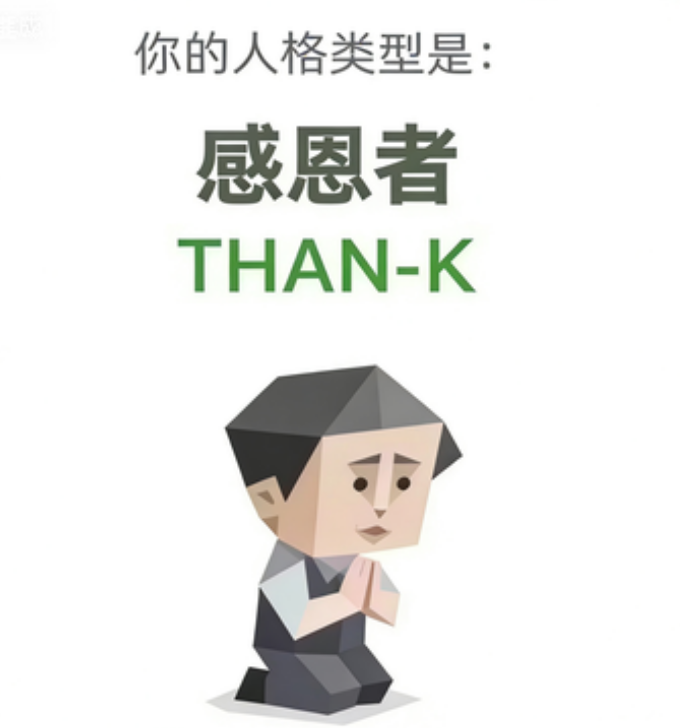
THAN-K Thanker
THAN-K belongs to the Moderate Middle cluster. A gratitude-heavy optimist who keeps trying to find the saving angle. This cluster is less about spectacle and more about balance, pacing, and keeping life workable.
Overview
THAN-K (Thanker) usually reads through clear self-definition and basic trust in closeness. In the SBTI frame, that gives the type a recognizable posture long before the full story is explained.
When conditions are good, the type leans on clear self-definition to stay coherent. Under pressure, direct candor and confidence that changes with context are more likely to become the friction points.
Strengths
- • Can turn clear self-definition into a stable signature instead of a one-off performance.
- • Often holds situations together through basic trust in closeness, especially when the room needs shape or direction.
- • When resourced, uses faith in people and possibilities to move from instinct to repeatable follow-through.
Blind spots
- • Under strain, direct candor can start narrating the whole situation before new evidence arrives.
- • May protect itself with confidence that changes with context, even when a slower or softer move would work better.
- • If overloaded for too long, values drive can become the first place where style hardens into a trap.
Relationship pattern
- • Close relationships often carry both basic trust in closeness and measured involvement at the same time.
- • The healthiest distance usually depends on whether adjustable distance is respected instead of pathologized.
- • Communication style tends to mix direct candor with firm interpersonal boundaries, which shapes how safe the type feels while speaking honestly.
Work style
- • At work, the type usually shows a blend of mixed motive and high follow-through.
- • Decision rhythm leans toward deliberate pacing, so timing matters as much as confidence.
- • Rules, process, and change are filtered through respect for order and a baseline of faith in people and possibilities.
Growth path
- • Growth starts by noticing when self-presentation stops being a preference and starts running the whole story.
- • A healthier version of THAN-K keeps self-definition online while building more capacity around self-trust.
- • A useful stretch is to keep clear self-definition without treating mixed priorities as destiny.
15-dimension profile
Confidence is present but still shaped by context and momentum.
The type keeps a clear read on its motives, limits, and internal logic.
Values matter, but they share space with convenience and short-term needs.
The type can usually trust the bond without panicking at every small shift.
The type can commit emotionally, but still likes a fallback position.
The type alternates between closeness and distance depending on context.
It is easier here to assume good faith and possibility before doom.
Order, structure, and predictability feel more natural than improvisational chaos.
Direction appears in waves rather than as a constant internal flame.
Motivation is mixed, shifting between ambition and energy preservation.
The type usually thinks before acting, but does not always stall out.
The push to land the thing is strong, so unfinished work keeps buzzing.
The type can socialize when needed, but does not chase the spotlight by default.
The type keeps a clearer perimeter and notices intrusion quickly.
Expression tends to be direct, blunt, and less layered for the audience.
Related types
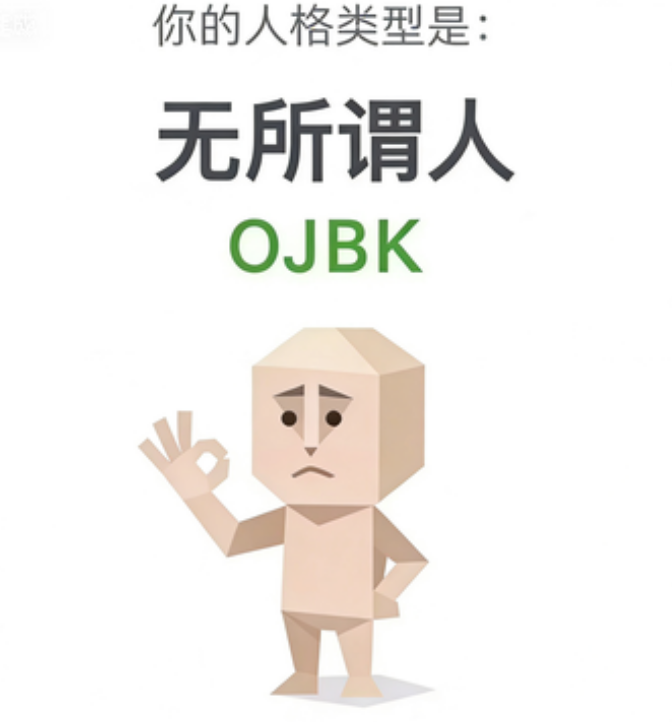
OJBK
Whateverist
OJBK belongs to the Moderate Middle cluster. A detached whateverist who refuses to spend soul-energy on minor choices. This cluster is less about spectacle and more about balance, pacing, and keeping life workable.
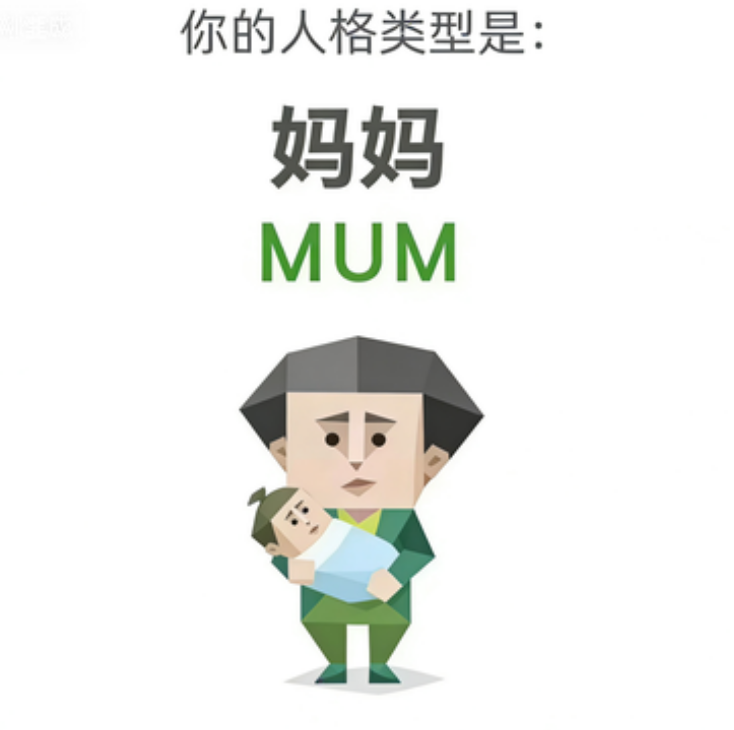
MUM
Caregiver
MUM belongs to the Moderate Middle cluster. A caretaker who notices emotional weather before people admit it changed. This cluster is less about spectacle and more about balance, pacing, and keeping life workable.
FAQ
What makes THAN-K stand out? ▾
It usually stands out through the combination of clear self-definition and basic trust in closeness, which gives the type a clear first impression.
Where does THAN-K get stuck under pressure? ▾
Stress usually shows up first around self-presentation and self-trust. The fix is rarely a personality transplant; it is more often rest, perspective, and a better response window.