Personality Atlas
The SBTI type hub keeps all 27 results tied to the broader system: 15 dimensions, 5 model groups, and cluster-level reading before you drop into any single persona page. That makes the atlas useful both as a browse surface and as a way to understand why a type behaves the way it does.
Atlas overview
A good reading path is to start with the cluster summaries, then open individual detail pages for the strengths, blind spots, relationship pattern, work style, growth notes, and dimension profile. The goal is to move past “which label sounds fun” and into “what keeps repeating in this pattern.”
Cluster guide
Start with the cluster summaries, then open any type page for the fuller detail surface: strengths, blind spots, relationship pattern, work style, growth notes, and the 15-dimension profile.
High-Function Leaders
These types usually carry more push, structure, and directional force. Even when their tone differs, they are the ones most likely to start steering the room.
- High drive is not the same as domination; a lot of it looks like naturally assuming responsibility.
- Start by asking who sets direction and who absorbs accountability when things get messy.
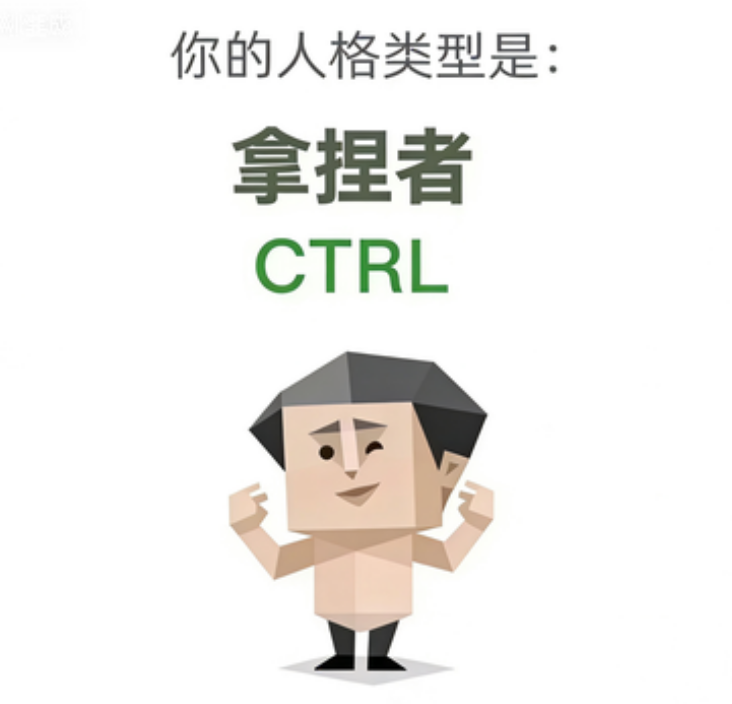
CTRL
Controller
CTRL belongs to the High-Function Leaders cluster. The one who quietly takes control before chaos can spread. This cluster usually carries more direction, structure, and push power, like people who naturally start steering the room.
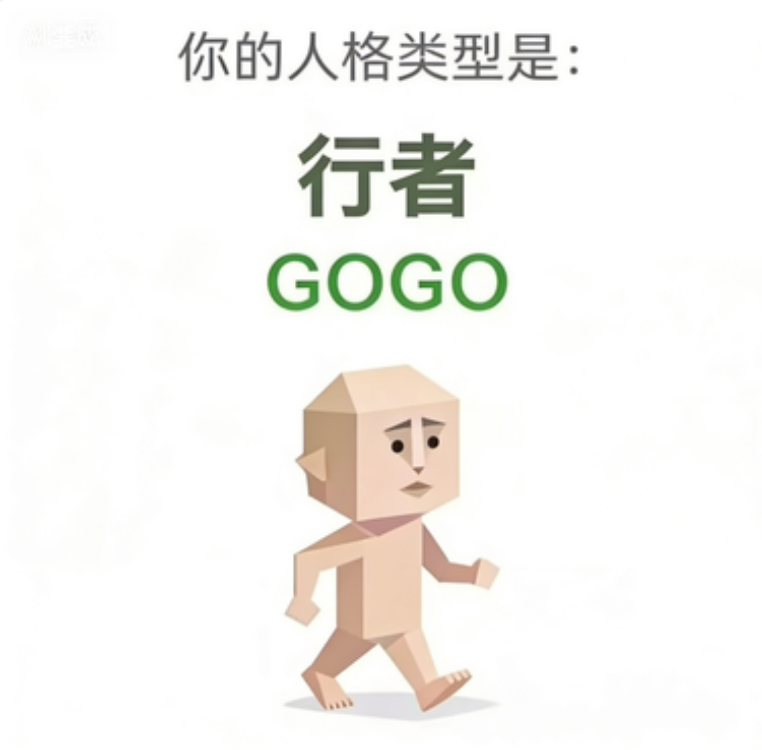
GOGO
Doer
GOGO belongs to the High-Function Leaders cluster. A momentum-first doer who prefers action over debate. This cluster usually carries more direction, structure, and push power, like people who naturally start steering the room.
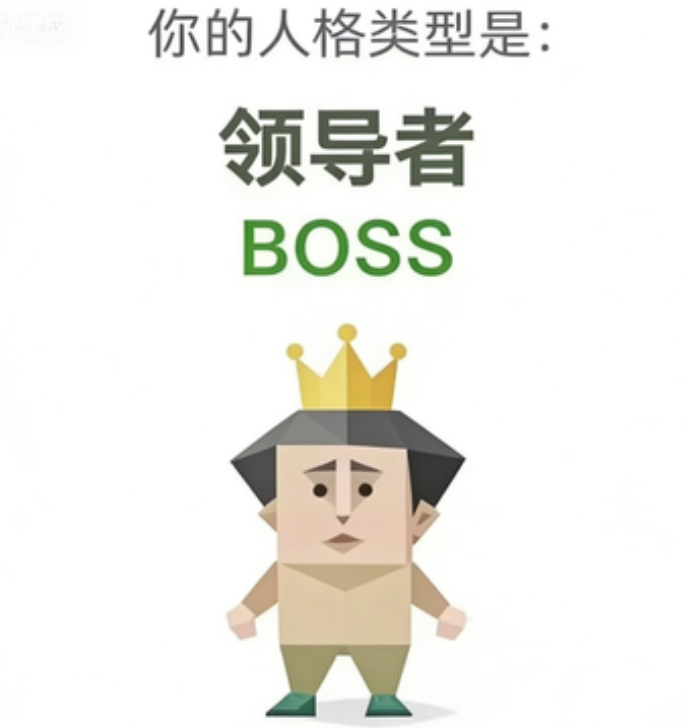
BOSS
Driver
BOSS belongs to the High-Function Leaders cluster. A driver who assumes someone has to steer, so it might as well be them. This cluster usually carries more direction, structure, and push power, like people who naturally start steering the room.
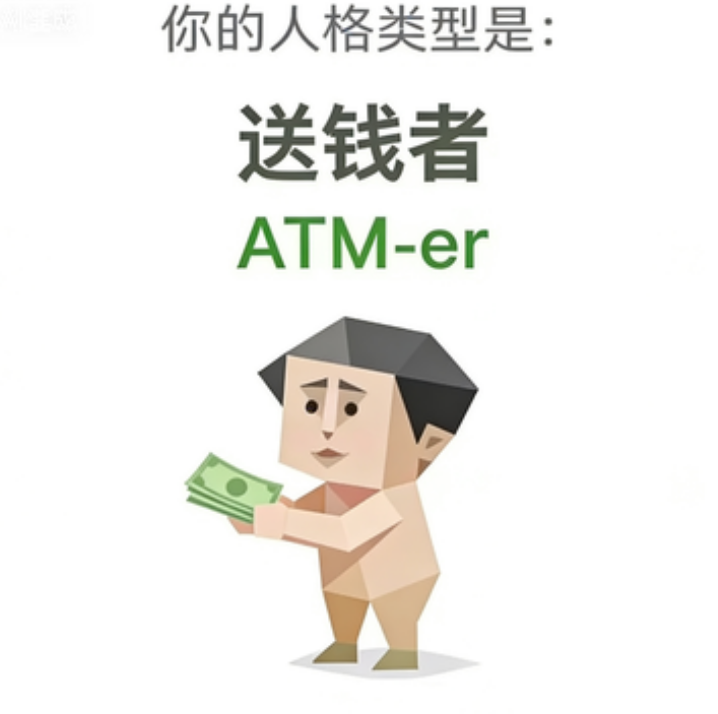
ATM-er
Underwriter
ATM-er belongs to the High-Function Leaders cluster. The reliable payer who keeps covering emotional and practical bills. This cluster usually carries more direction, structure, and push power, like people who naturally start steering the room.
High Cognitive Independence
The center of this cluster is not coldness but privately held judgment. These types trust their own thinking process and would rather form a conclusion themselves than borrow one.
- The outer reaction can be loud while the actual conclusion forms quietly in the background.
- Read them through cognitive independence, not through introversion alone.
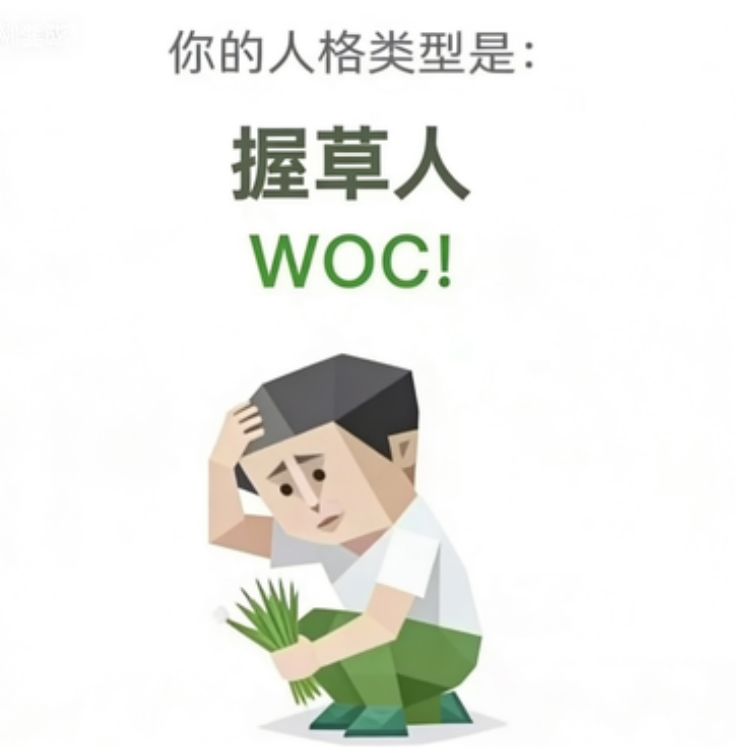
WOC!
Shock Commentator
WOC! belongs to the High Cognitive Independence cluster. A startled commentator whose outer exclamation hides a calm inner processor. This cluster trusts its own thinking system first and would rather form a private judgment than borrow one.
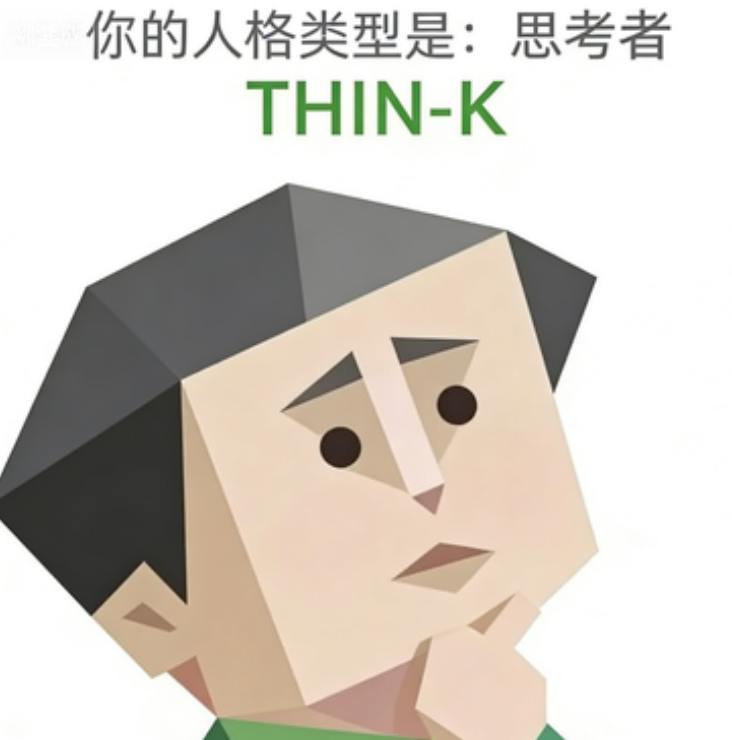
THIN-K
Analyst
THIN-K belongs to the High Cognitive Independence cluster. A deep analyst who keeps interrogating logic, bias, and hidden assumptions. This cluster trusts its own thinking system first and would rather form a private judgment than borrow one.
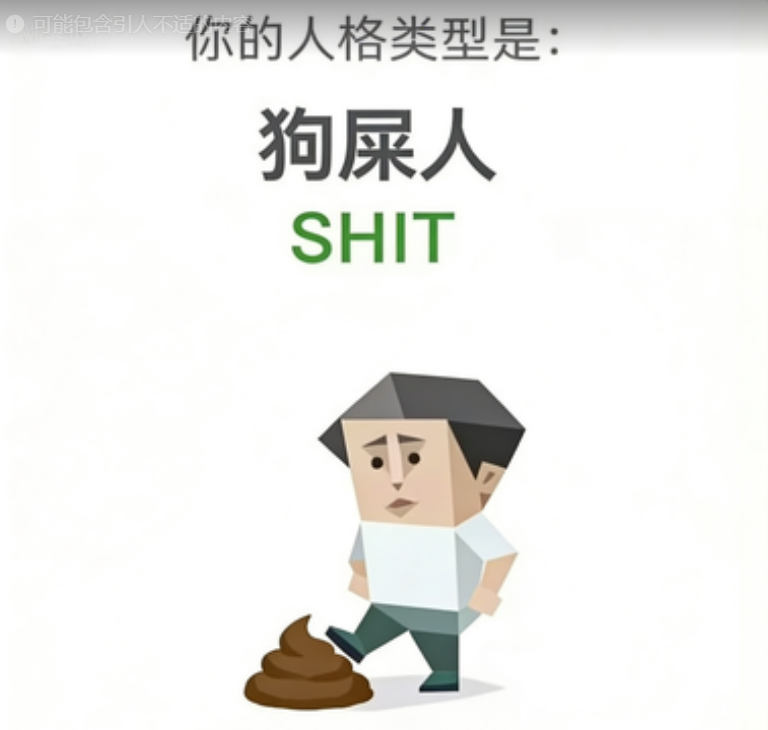
SHIT
Angry Builder
SHIT belongs to the High Cognitive Independence cluster. An angry builder who curses the world while still keeping it running. This cluster trusts its own thinking system first and would rather form a private judgment than borrow one.
Low-Function Vulnerable
These types are more visibly shaped by low energy, emotional injury, or unstable safety, so self-protection becomes part of the public style.
- Vulnerability does not mean lack of ability; it often means the recovery cost is higher.
- Understand the protection strategy before judging the surface behavior.
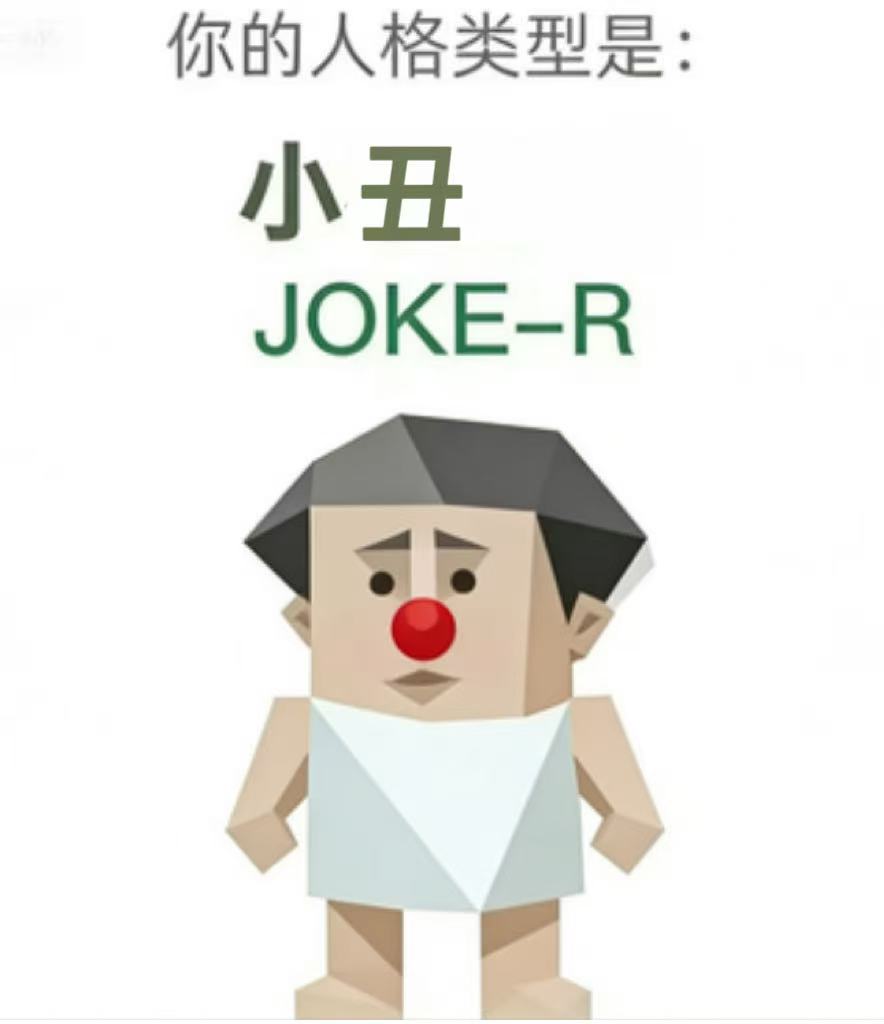
JOKE-R
Clown Shield
JOKE-R belongs to the Low-Function Vulnerable cluster. A clownish deflector who keeps the room laughing while hiding the bruise. This cluster is more visibly shaped by depleted energy, emotional strain, or shaky safety, so protection becomes part of the style.
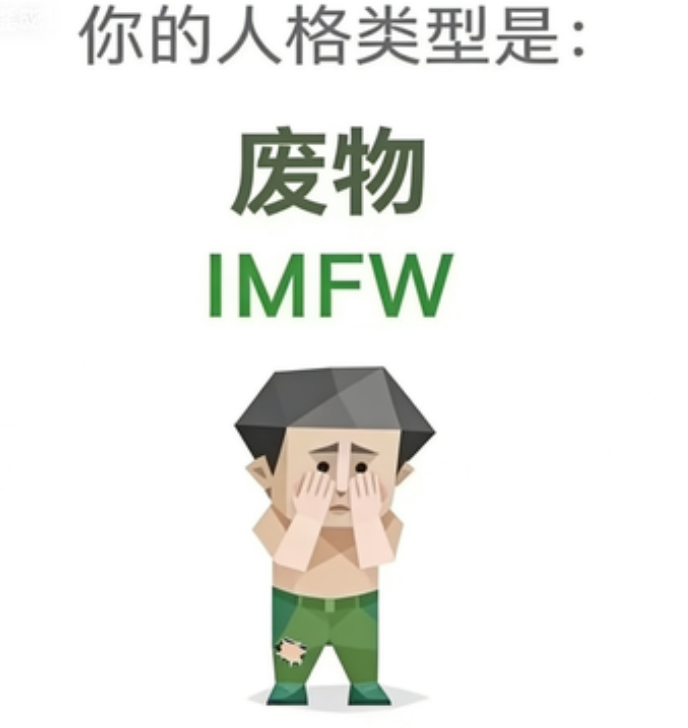
IMFW
Fragile Depender
IMFW belongs to the Low-Function Vulnerable cluster. A fragile dependent who can trust deeply but bruises easily. This cluster is more visibly shaped by depleted energy, emotional strain, or shaky safety, so protection becomes part of the style.
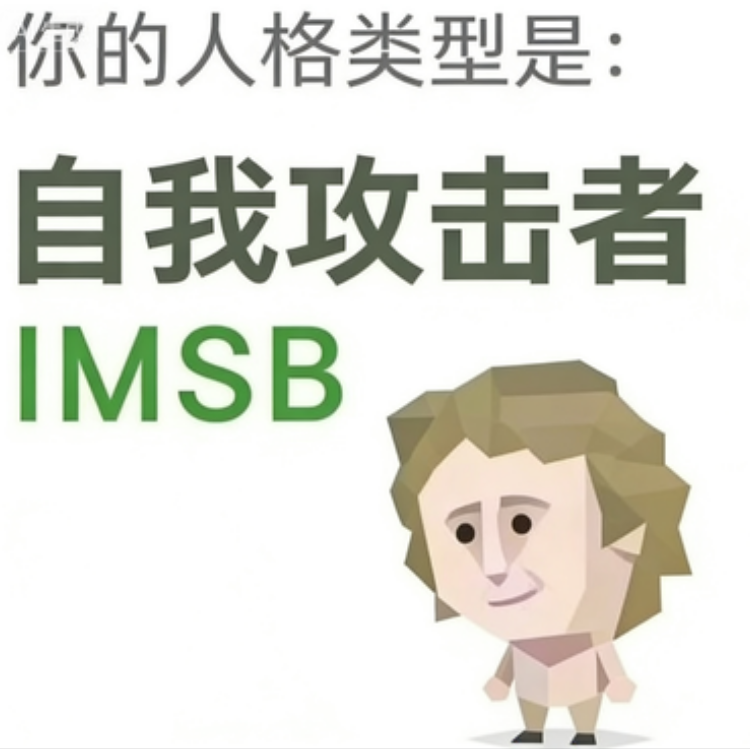
IMSB
Self-Doubter
IMSB belongs to the Low-Function Vulnerable cluster. A self-doubting pursuer pulled between impulse and humiliation. This cluster is more visibly shaped by depleted energy, emotional strain, or shaky safety, so protection becomes part of the style.
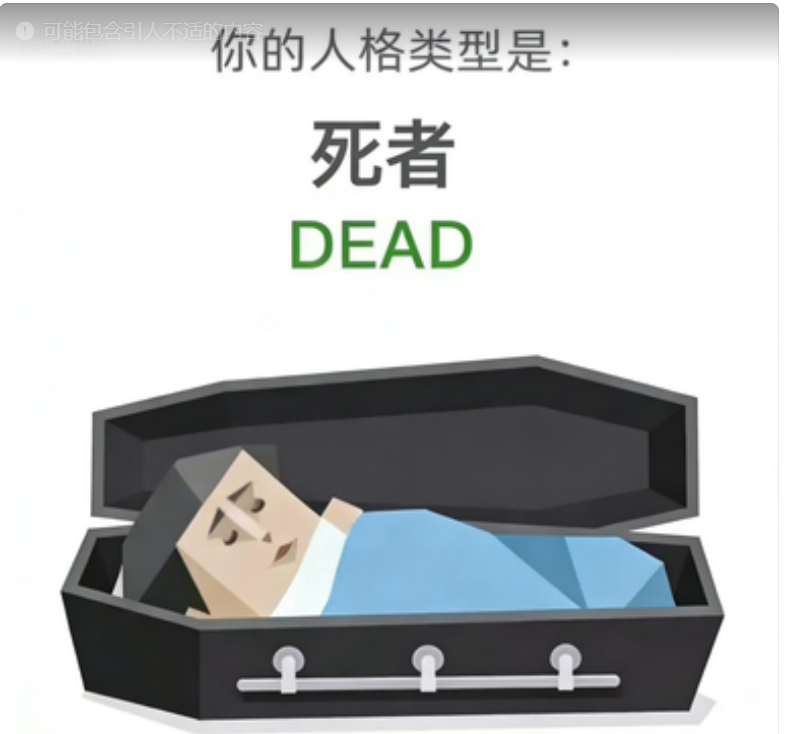
DEAD
Burned-Out Sage
DEAD belongs to the Low-Function Vulnerable cluster. A burned-out sage who acts like desire has already left the building. This cluster is more visibly shaped by depleted energy, emotional strain, or shaky safety, so protection becomes part of the style.
Moderate Middle
This middle cluster is less about extremes and more about modulation. These types leave margin, absorb complexity, and keep life moving without always making a spectacle of it.
- Moderation here is not blandness; it is an ability to manage temperature.
- Look for pacing, flexibility, and sustainability rather than grand statements.
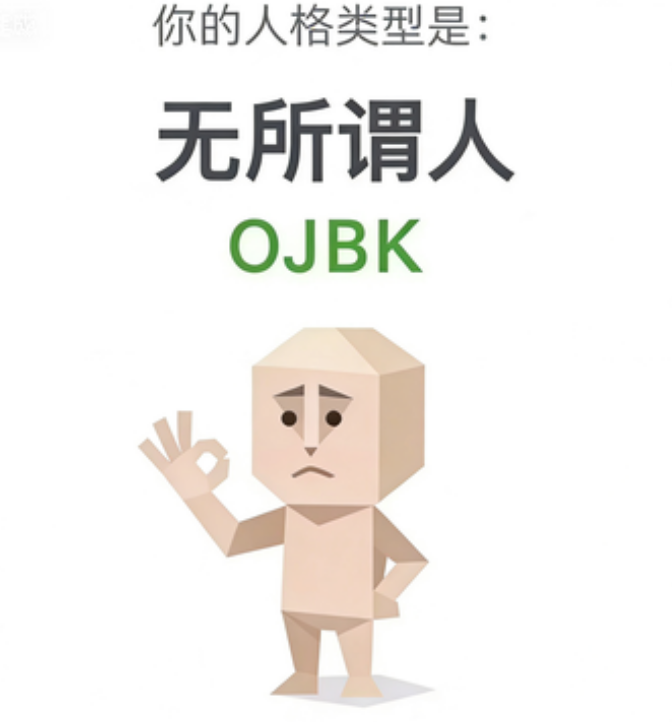
OJBK
Whateverist
OJBK belongs to the Moderate Middle cluster. A detached whateverist who refuses to spend soul-energy on minor choices. This cluster is less about spectacle and more about balance, pacing, and keeping life workable.
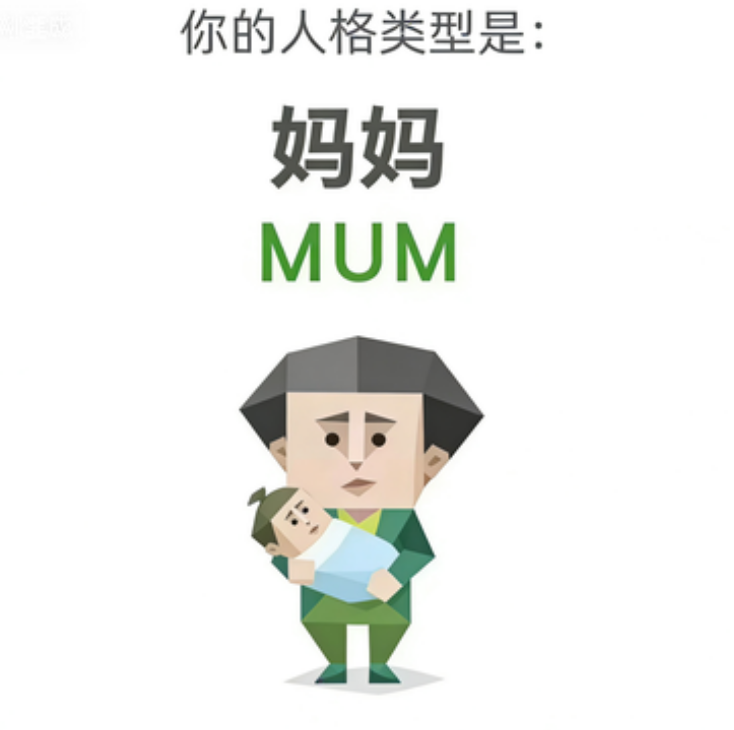
MUM
Caregiver
MUM belongs to the Moderate Middle cluster. A caretaker who notices emotional weather before people admit it changed. This cluster is less about spectacle and more about balance, pacing, and keeping life workable.
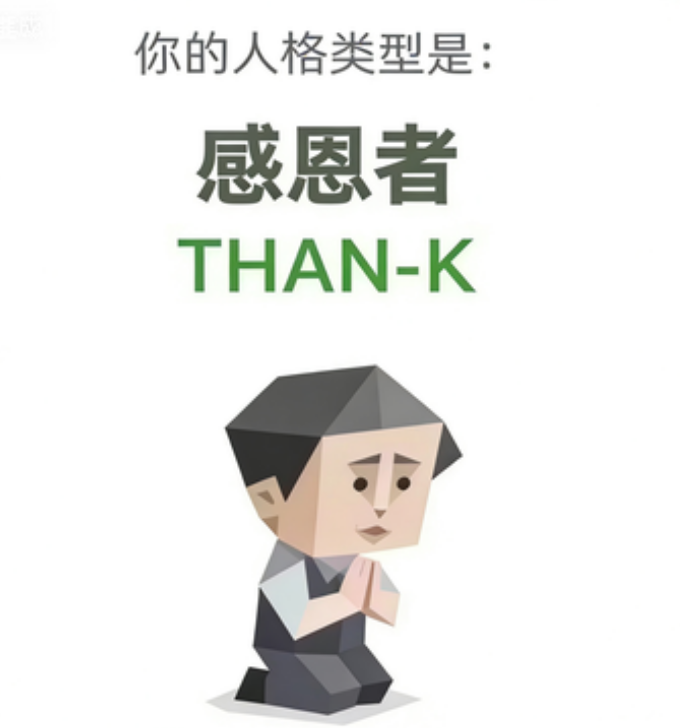
THAN-K
Thanker
THAN-K belongs to the Moderate Middle cluster. A gratitude-heavy optimist who keeps trying to find the saving angle. This cluster is less about spectacle and more about balance, pacing, and keeping life workable.
Emotionally Engaged
These types place emotion, attachment, and presence closer to the front. They tend to live more intensely and become more memorable because they bring more felt experience into the room.
- Their strengths often come from involvement rather than distance.
- Watch how they convert attraction, care, and expression into actual movement.
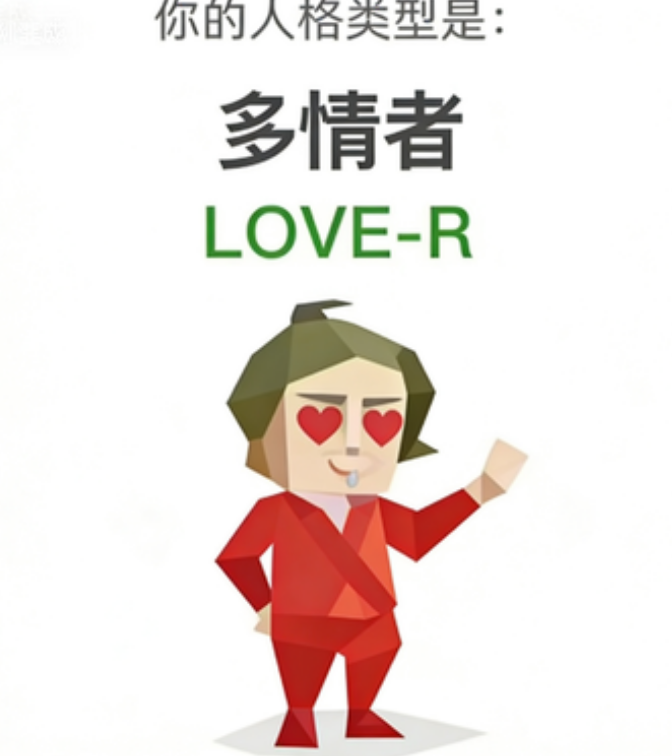
LOVE-R
Romantic Maximalist
LOVE-R belongs to the Emotionally Engaged cluster. A romantic maximalist who feels more than the situation technically requires. This cluster tends to put feeling, attachment, and presence near the front of the personality surface.
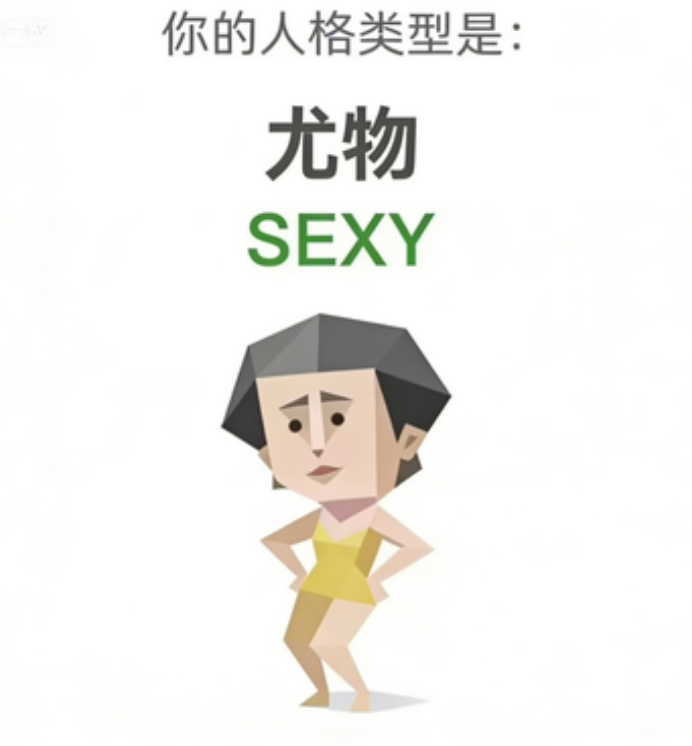
SEXY
Magnet
SEXY belongs to the Emotionally Engaged cluster. A magnetic presence who changes the room without trying very hard. This cluster tends to put feeling, attachment, and presence near the front of the personality surface.

FAKE
Mask Shifter
FAKE belongs to the Emotionally Engaged cluster. A mask-shifter who can tune presentation to the room with unnerving precision. This cluster tends to put feeling, attachment, and presence near the front of the personality surface.
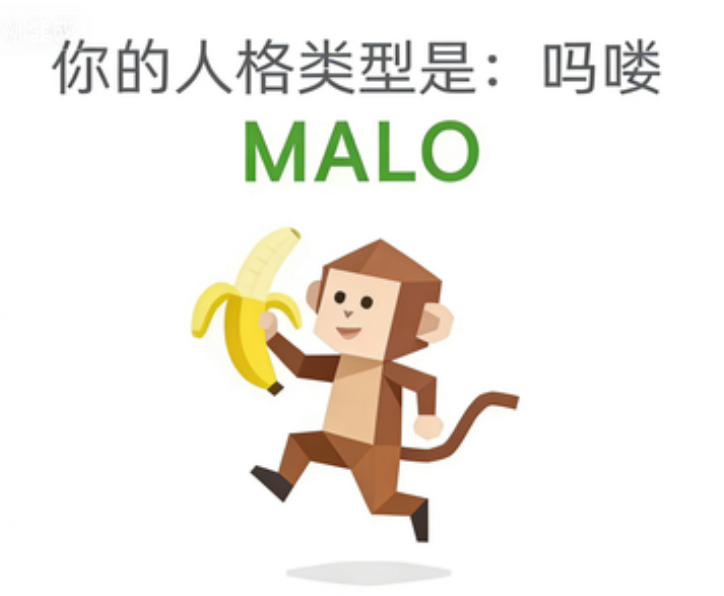
MALO
Chaos Monkey
MALO belongs to the Emotionally Engaged cluster. A playful chaos monkey who resists adult solemnity on principle. This cluster tends to put feeling, attachment, and presence near the front of the personality surface.
Lone Rangers
These types protect private space, inner order, and solo recovery. What reads as distance from the outside is often a serious attempt to keep the inner room intact.
- Solitude is not an absence for them; it is a way to recover signal.
- Do not miss how strongly the need for non-interference shapes the whole type surface.
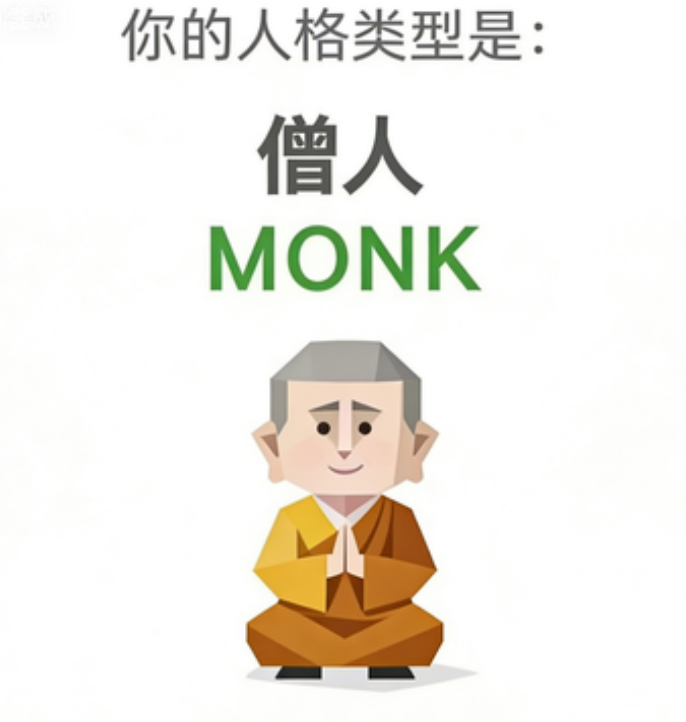
MONK
Hermit
MONK belongs to the Lone Rangers cluster. A self-contained hermit who protects inner space like a sacred room. This cluster guards personal space closely and would rather metabolize life alone than let strangers rearrange the inner room.
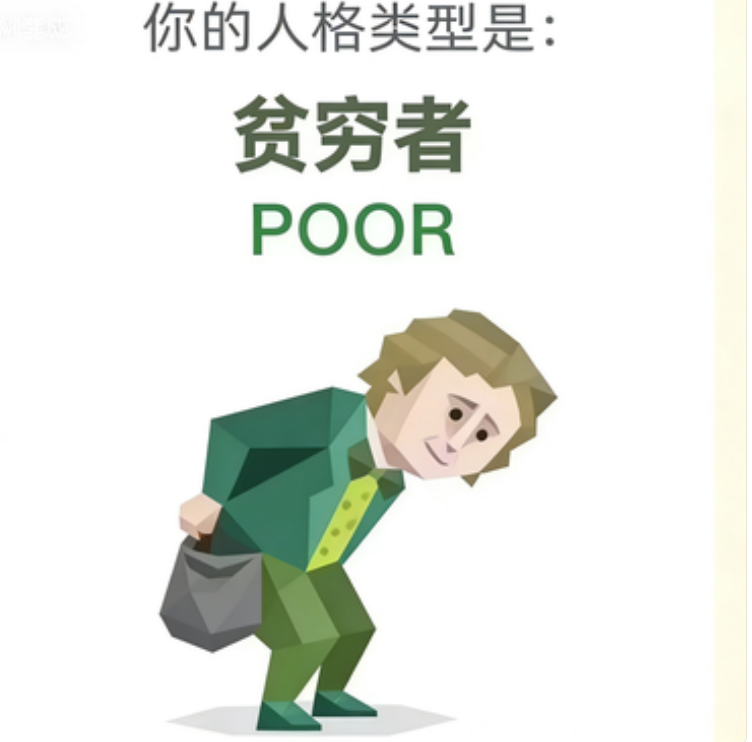
POOR
Laser Focus
POOR belongs to the Lone Rangers cluster. A laser-focused minimalist who pours limited energy into one meaningful target. This cluster guards personal space closely and would rather metabolize life alone than let strangers rearrange the inner room.
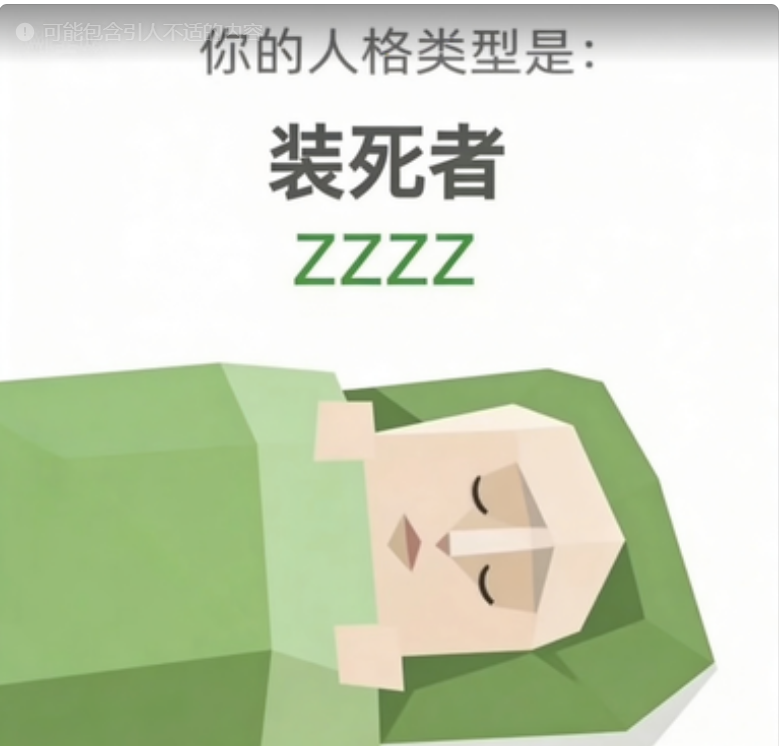
ZZZZ
Deadline Sleeper
ZZZZ belongs to the Lone Rangers cluster. A sleeper type that only fully wakes up when the deadline is already visible. This cluster guards personal space closely and would rather metabolize life alone than let strangers rearrange the inner room.
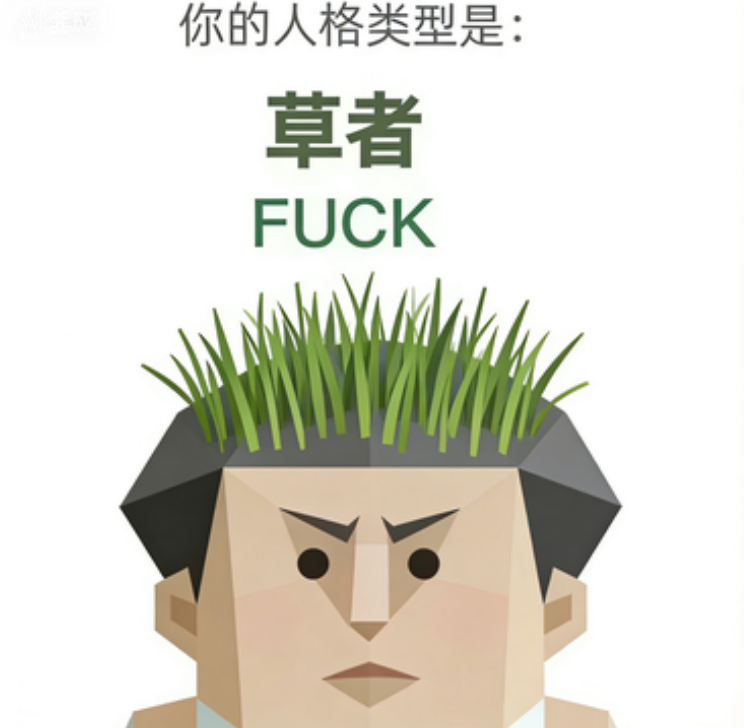
FUCK
Wild Rebel
FUCK belongs to the Lone Rangers cluster. A feral rebel who treats social polish as optional and vitality as the point. This cluster guards personal space closely and would rather metabolize life alone than let strangers rearrange the inner room.
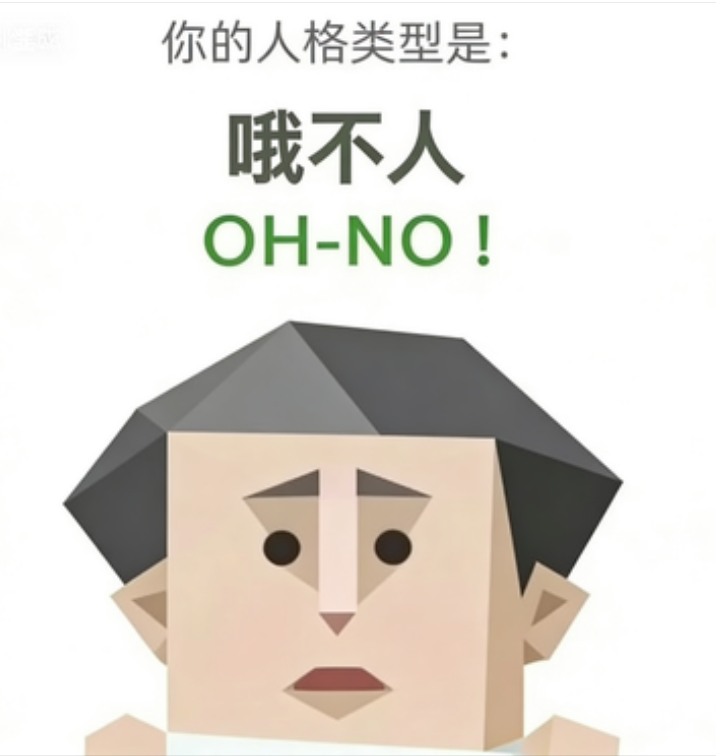
OH-NO
Alarm Bell
OH-NO belongs to the Lone Rangers cluster. A risk radar that sees the disaster chain before the room even notices the cup near the edge. This cluster guards personal space closely and would rather metabolize life alone than let strangers rearrange the inner room.
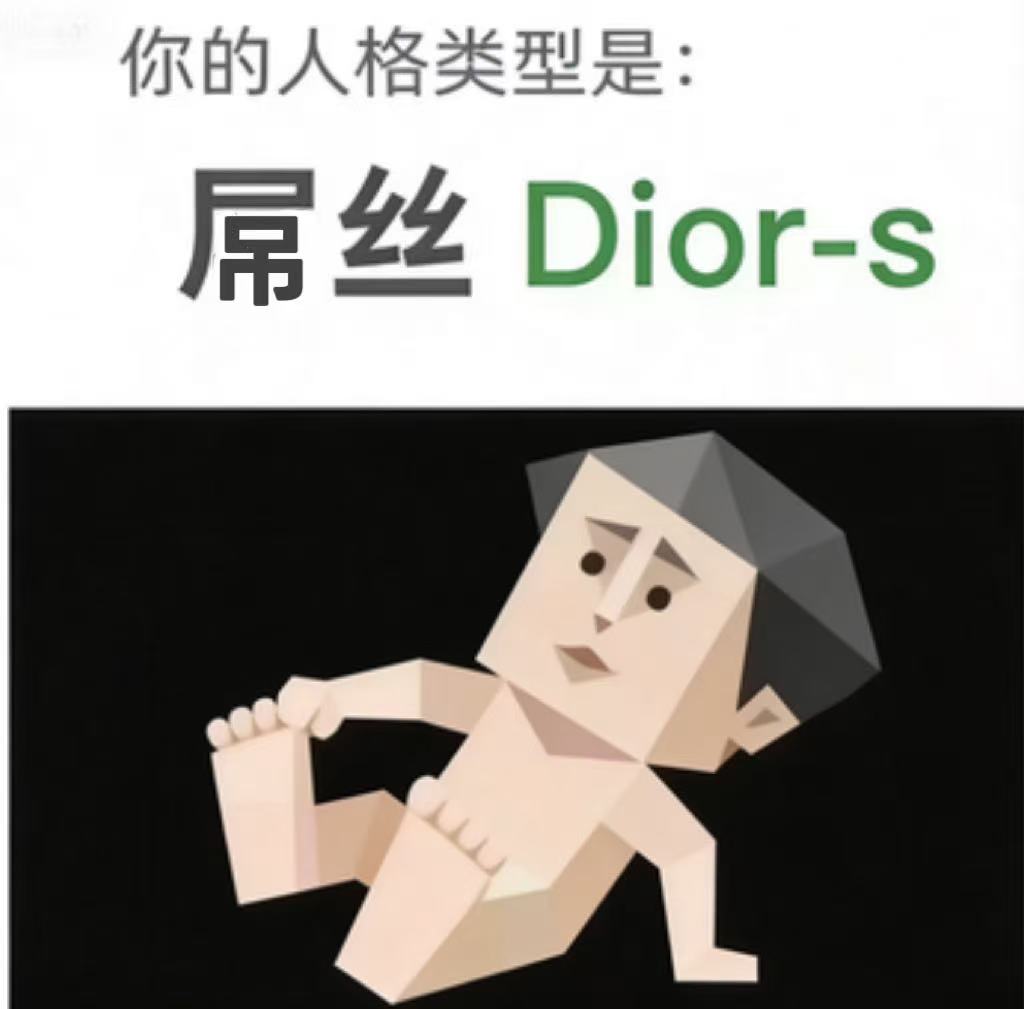
Dior-s
Cynic Realist
Dior-s belongs to the Lone Rangers cluster. A cynical realist who refuses the shiny script everyone else is chasing. This cluster guards personal space closely and would rather metabolize life alone than let strangers rearrange the inner room.
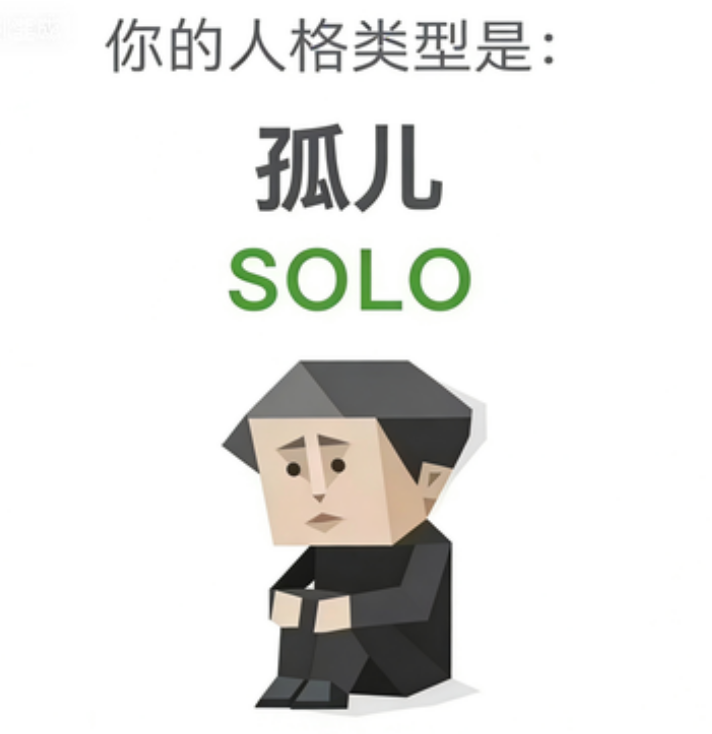
SOLO
Defended Loner
SOLO belongs to the Lone Rangers cluster. A defended loner who wants closeness but builds walls first. This cluster guards personal space closely and would rather metabolize life alone than let strangers rearrange the inner room.
Special Types
These are edge-case types: boundary values, comic anomalies, or deliberate glitches in the catalogue. They remind you that any personality system needs room for the part it cannot fully domesticate.
- They are not bad data; they are signals from the edge of the framework.
- Treat them as exceptions on purpose rather than forcing them into a normal template.
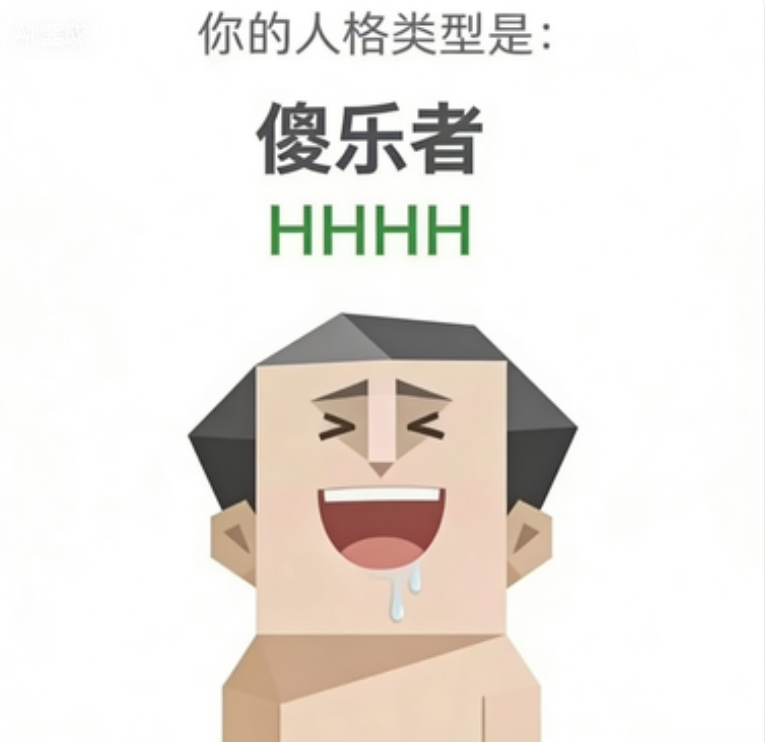
HHHH
Laugh Glitch
HHHH belongs to the Special Types cluster. A glitch result whose logic refuses to stay inside the normal catalogue. This cluster lives near the edge of the catalogue, where the framework deliberately leaves room for anomalies and jokes with teeth.

DRUNK
Tipsy Firebrand
DRUNK belongs to the Special Types cluster. A tipsy firebrand whose intensity keeps spilling over the container. This cluster lives near the edge of the catalogue, where the framework deliberately leaves room for anomalies and jokes with teeth.
Atlas FAQ
How is the type hub different from a result page? ▾
A result page is your personal landing point after the test. The hub is the comparative surface where all 27 types sit side by side, so you can read clusters, compare neighboring types, and revisit the fuller detail pages.
Why organize the atlas by cluster? ▾
Clusters give you the shared emotional logic or social posture first. Once that frame is in place, the differences between nearby types become easier to read without flattening them into one stereotype.
What should I do with the 15-dimension profile? ▾
Treat it as a pattern map rather than a verdict. It is most useful when you compare the profile with your current season of life and notice which dimensions feel especially true or especially stressed.
Can I browse before I take the test? ▾
Yes. The atlas works as a standalone browse experience, and it becomes even clearer once you return with your own result code in hand.
Browse first if you want context, then take the test and come back to read your own code with sharper eyes.